
In an age of casual cookouts and happy hours, a proper dinner party still stands out as one of life’s most civilized pleasures. Done well, it creates connection, comfort, and lasting memories. Yet the smallest misstep, can leave everyone slightly off-balance. Whether you’re hosting or attending, thoughtful etiquette turns a simple meal into something memorable.
A well-laid table signals care. Begin with a crisp tablecloth or placemats. Place dinner plates in the center, one inch from the table edge. Forks go to the left of the plate (salad fork outside, dinner fork inside). Knives and spoons align on the right, blades facing inward, soup spoon farthest out. The dessert fork and spoon rest horizontally above the plate, fork prongs right, spoon bowl left. If you want to mix up the silverware to all one side, you can add your personal twist.
Glassware forms a neat triangle above the knives: water goblet directly above the knife tip, red-wine glass to its right, white-wine glass slightly forward. You can put wine glasses on one side and the water on the opposite side. A small bread plate with butter knife sits at the upper left. A quick tip – put your hands out, touch your index fingers to your thumb. The left hand forms a “B” which is the side the bread goes on and the right hand forms a “D” for where the drinking glasses go. Napkins rest on the plate or to the left of the forks. Keep centerpieces low, so guests can see one another. Unscented candlelight is best, so it doesn’t compete with the food.
As host, your job begins long before the doorbell rings. Be ready at least thirty minutes early so you are calm when guests appear. Greet each person warmly by name, take coats, and offer a drink within five minutes. Seat guests thoughtfully—pair lively talkers with quieter ones, separate couples to encourage new conversation.
During the meal, keep an eye on pacing: clear plates only when everyone is finished, and never stack dishes at the table. If someone’s glass is empty, quietly refill without drawing attention. Should a guest spill wine or drop a fork, smile and say, “No worries at all—happens to the best of us,” then replace it discreetly. Your calm sets the tone.
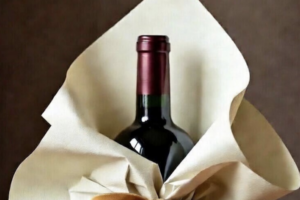
As a guest, arrive 5 to 10 minutes after the stated time—never early, rarely late. Bring a modest gift: a bottle of wine (unless the host specified otherwise), fresh flowers already in a vase, chocolates or a nicely wrapped candle. Hand it to the host with a genuine “Thank you for having us.”
At the table, wait for the host to sit and unfold their napkin before you do. Place your napkin on your lap immediately. If you must leave the table, rest the napkin on your chair, not the table. Never begin eating until everyone is served. If you finish early, rest utensils side-by-side on your plate to signal you are done. Compliment the host sincerely—“This salmon is perfectly cooked”—but avoid comparing it to other dinners.

Silverware rule is simple: start from the outside and work inward. Cut one bite at a time; never slice the entire piece of meat at once. If you need to sneeze or cough, turn away and cover with your napkin. For wine, hold the glass by the stem, never the bowl. When toasting, make eye contact, clink gently, and sip—do not drain the glass.
Good talk flows like the wine. Offer open-ended questions: “What’s the most interesting thing you’ve read lately?” rather than yes-or-no queries. Avoid politics, religion, money, and health complaints unless the group is very close. Steer away from inside jokes that exclude others. A well-mannered guest remembers: the goal is connection, not performance.
Etiquette is never about rules for their own sake; it is kindness made visible. A host who anticipates needs and a guest who shows appreciation create an atmosphere where everyone feels valued. In the end, the finest dinner parties are remembered not for the food or the table setting, but for how welcome and respected every person felt.
By Lisa Crossett, Resident since 2001