
Whether it is due to injury, decay, gum disease, or other reasons, losing a tooth can be a distressing experience, effecting not only your oral health but also your self-esteem and overall well-being. Fortunately, modern dentistry offers several options to replace missing teeth. Among these, dental implants have emerged as a revolutionary solution that offers numerous benefits over traditional dental bridges.
A dental implant is a biocompatible “screw”, traditionally titanium that is surgically inserted into the ridge of the jawbone. It is then restored by attaching an implant crown to a supportive post connected to the implant after it has integrated into the jawbone. One of the most compelling reasons to choose dental implants is their ability to closely mimic the appearance and function of natural teeth. Having an implant placed is a surprisingly simple procedure with patients experiencing little to no discomfort.
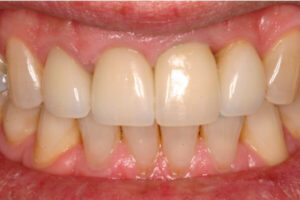 Dental implants offer significant advantages in terms of oral health. Unlike traditional bridges, which may require the alteration of adjacent healthy teeth, implants do not effect the neighboring teeth. The surrounding teeth are left untouched, preserving their natural structure and strength. This is important for the long-term health of your entire mouth.
Dental implants are renowned for their durability and longevity. They have success rates in the high 90th percentile. When properly cared for, they can even last a lifetime. This is a notable advantage over traditional bridges that tend to have a shorter lifespan and may require replacement every 10 to 15 years. This long-lasting solution not only provides peace of mind but also proves to be cost-effective in the long run.
One of the lesser-known benefits of dental implants is their ability to preserve bone density in the jaw. When a tooth is lost, the underlying bone begins to deteriorate over time. Dental implants, by integrating with the bone, stimulate and preserve bone density, preventing the bone loss that commonly occurs at the site of a missing tooth. This helps maintain the integrity of the jawbone and the surrounding teeth by preventing the process of bone loss that naturally occurs.
When it comes to replacing missing teeth, dental implants stand out as the superior choice for many reasons. Their natural appearance, durability, and impact on overall oral health making them an excellent investment in your smile and well-being. While traditional dental bridges have been a viable option for many years, they come with significant disadvantages, such as the alteration of adjacent teeth, limited longevity, and higher costs in the long run.
However, not everyone is a suitable candidate for dental implants. The success of the procedure depends on many factors including the patient’s overall health, the quality of the bone in the implant site, and proper post-operative care. If you are considering tooth replacement options, consult with our experienced team to determine the best solution for your specific needs.
By Dr. Tobian and Dr. Kiefer, Tobian Kiefer Dentistry